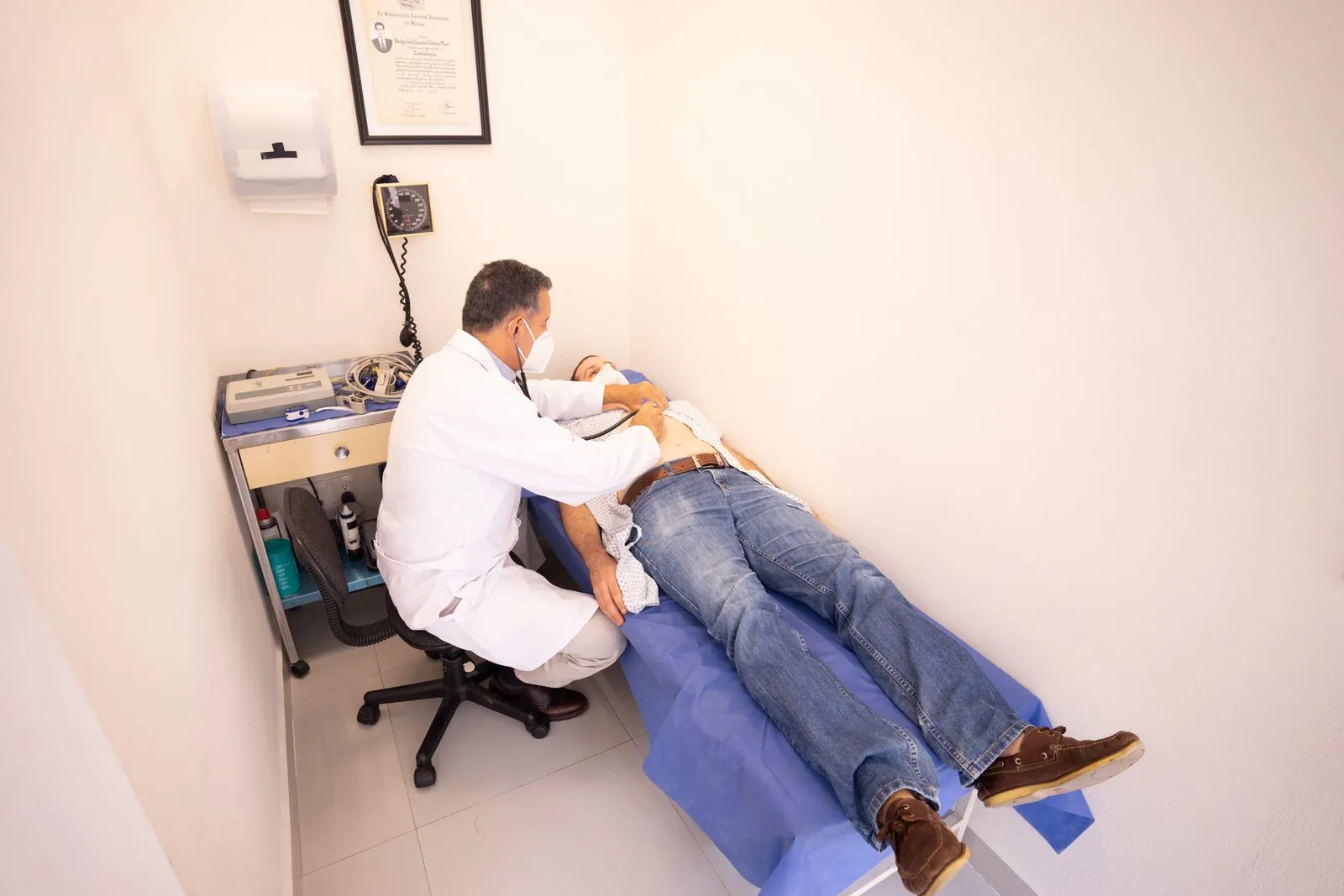

Preventive healthcare is about looking for changes before they become difficult to manage. What that means in practice is different for each person.
Preventive care is individual
There is no single set of checks that suits everyone. A useful review depends on several factors, which your doctor will consider together.
- Your age
- Your medical history
- Family history of illness
- Existing conditions such as diabetes or high blood pressure
- Current symptoms
- Your doctor's clinical assessment
What a routine review may include
- A discussion of your health history and current concerns
- A review of your symptoms
- A basic clinical assessment as appropriate
- Review of existing reports and medicines
- Appropriate investigations if advised
- Planning of follow-up based on your needs
Why there is no single "package" for everyone
Fixed test packages can be convenient, but they are not a substitute for clinical judgement. A test that is useful for one person may be unnecessary for another.
A better approach is to discuss your individual risk factors with a doctor and decide together what is worth checking.
Topics worth raising with your doctor
- Blood pressure and blood sugar concerns
- Cholesterol and heart-related risk factors
- Family history of heart, kidney or thyroid conditions
- Changes in weight, energy or appetite
- Any symptom that has persisted for weeks
How often should you have a review?
The right interval depends on your age, health and existing conditions. Some people benefit from yearly review; others need more or less frequent follow-up. Your doctor can advise what suits you.
Making the most of a preventive visit
- Bring previous reports and a list of current medicines
- Note down questions beforehand
- Be honest about lifestyle factors
- Follow up on any tests that were advised
A final thought
Preventive care works best as an ongoing conversation rather than a one-off event. A short, regular review often tells your doctor more than an extensive check performed once.