Diabetes is a long-term condition. It is managed over months and years rather than resolved in a single visit, which is why regular follow-up is central to care.
Why diabetes needs ongoing review
Blood sugar levels change with time, treatment, diet, activity, stress and illness. Because these factors shift, a plan that worked well six months ago may need adjustment now.
Follow-up visits allow your doctor to see the pattern over time rather than a single reading.
What monitoring usually involves
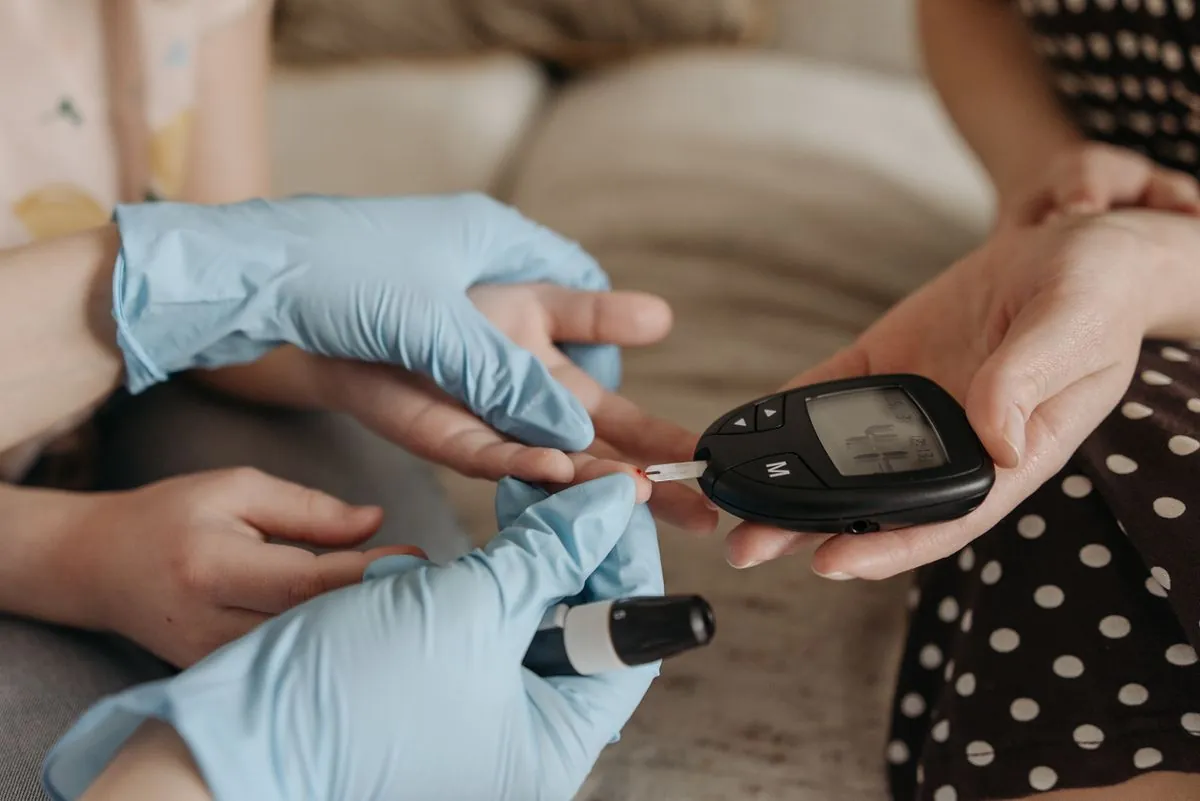
- Blood sugar readings, as advised for you
- Review of your current medicines
- Discussion of diet, activity and daily routine
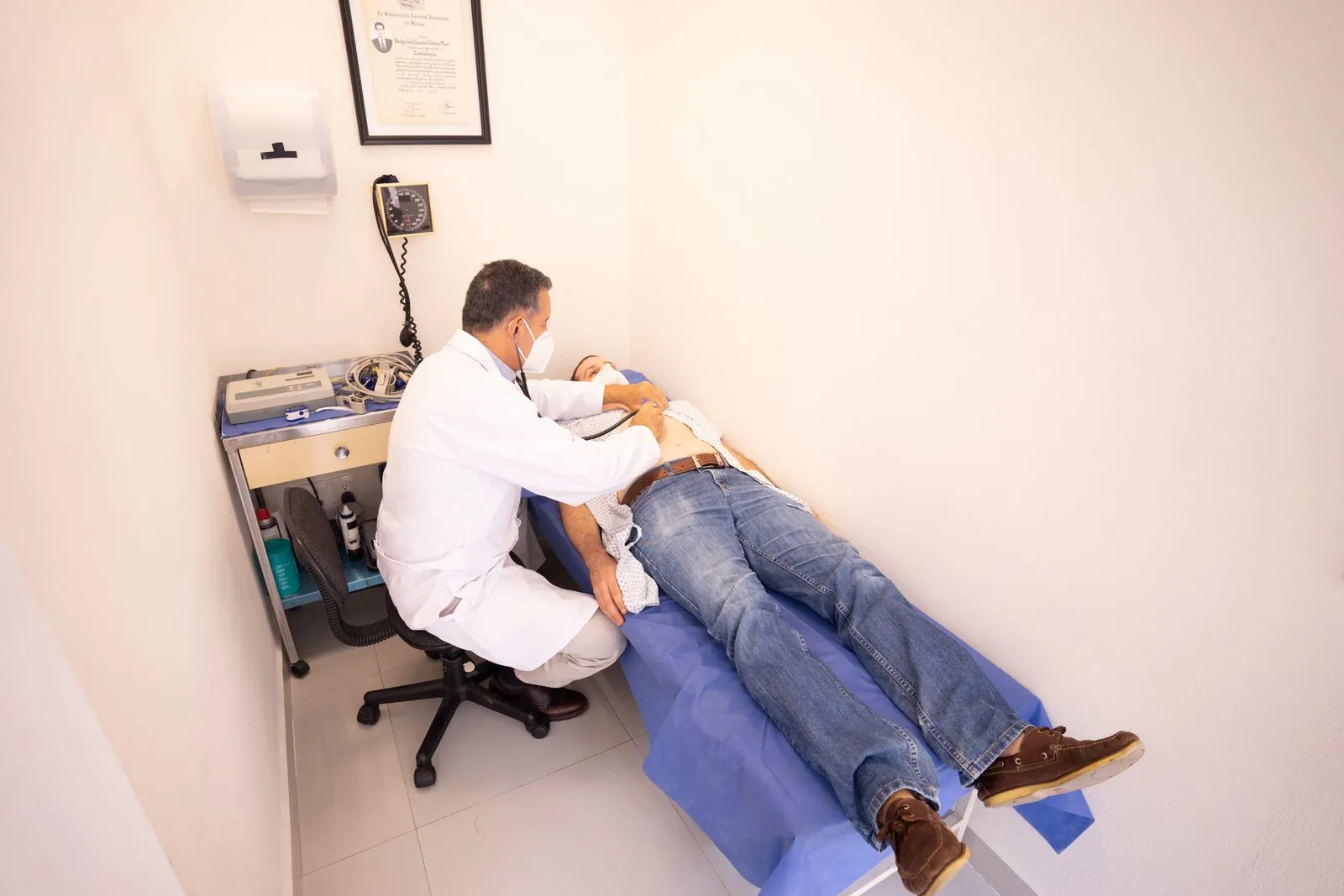
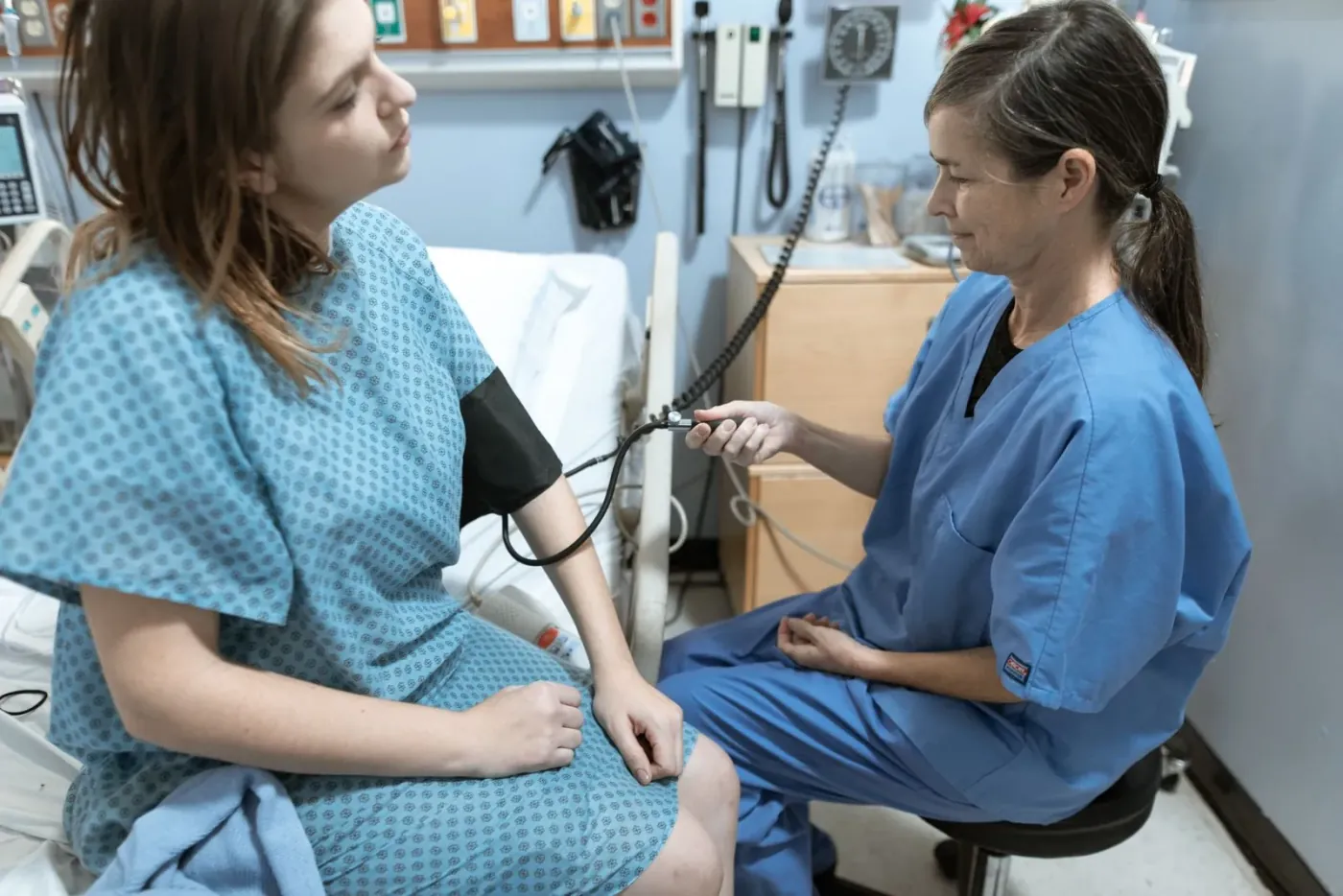
- Checks for related concerns such as blood pressure and kidney function
- An agreed plan for the next review
Medication review is a clinical decision
Diabetes medicines are started, changed or stopped only by a qualified clinician, based on your readings and overall health. Do not adjust or stop prescribed medicines on your own.
Lifestyle in the bigger picture
Diet and activity are part of diabetes care, but the right approach differs from person to person. Rather than following a rigid plan, it often helps to make sustainable changes that fit your daily life.
- Regular meal timings where possible
- Balanced portions
- Staying active in a way that suits you
- Keeping a record of readings if advised
Watching for related health concerns
Diabetes can affect the heart, kidneys, eyes and feet over time. Periodic review helps these areas stay under observation, so any change can be discussed early.
When to seek urgent medical help
Some situations in diabetes need urgent assessment rather than a routine appointment.
Preparing for a follow-up visit
- Bring your recent reports and prescriptions
- Note down your home readings if you monitor at home
- List the medicines you currently take
- Write down any new symptoms or concerns
A final note
Good diabetes care is a partnership between you and your treating doctor. Regular, unhurried follow-up is one of the most useful habits you can build.