
Joint Care
Arthritis & Joint Care
Assessment of joint pain, stiffness and swelling, and when to seek evaluation.
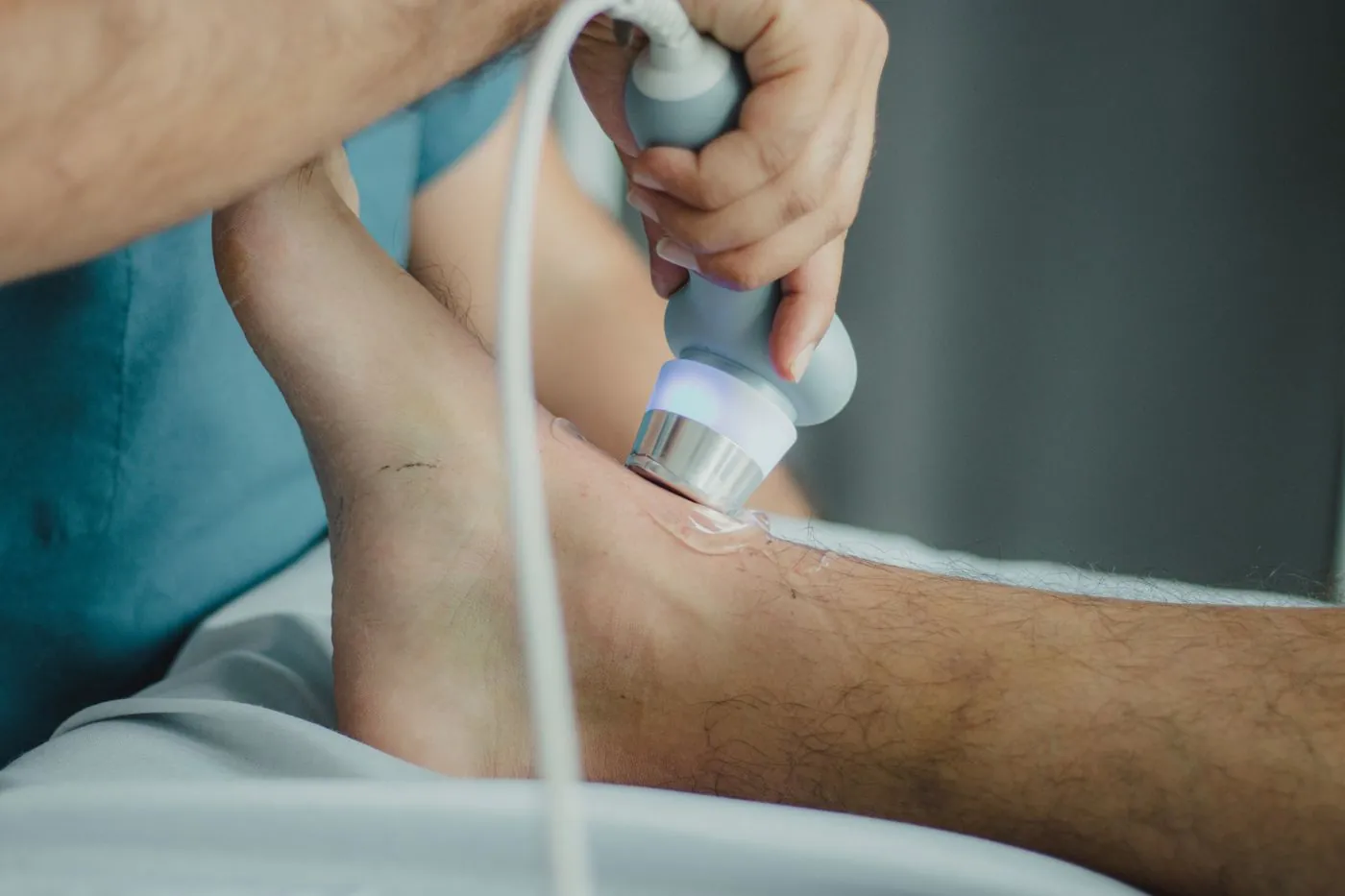
Understanding This Condition
Joint pain and stiffness are common, particularly as we grow older. The cause may be simple wear, inflammation or another underlying condition, and the approach to treatment differs depending on what is found.
A clinical assessment helps identify the likely reason for the pain so that treatment, movement advice and follow-up can be planned appropriately.
Common Reasons Patients Seek Medical Evaluation
- Persistent joint pain
- Morning stiffness
- Swelling or warmth around a joint
- Reduced movement or difficulty with daily tasks
- Recurring joint complaints
Symptoms Worth Discussing With a Doctor
These symptoms are common and not specific to one illness. A consultation helps clarify what they may mean for you.
- Pain that continues for more than a few days
- Stiffness that is worse in the morning
- Swelling, warmth or redness over a joint
- Pain that limits walking or climbing stairs
- Joint discomfort that keeps returning
How a Consultation Generally Works
Not every step applies to every patient. Your doctor will decide what is appropriate for your situation.
-
1
A history of when the pain started and which joints are involved
-
2
A physical examination of the affected joints
-
3
Review of previous reports and medicines
-
4
Investigations if your doctor considers them necessary
-
5
A plan covering medicines, movement and follow-up
Diagnostic Support
When the cause of joint symptoms is unclear, your doctor may advise laboratory investigations. These are supported by the hospital's computerised laboratory and help guide treatment.
Your doctor may recommend laboratory investigations based on your symptoms and clinical assessment. Tests are advised only where clinically appropriate.
Lab & DiagnosticsOngoing Care & Prevention
- Taking medicines as prescribed and not exceeding the advised dose
- Keeping joints gently active rather than resting them completely
- Maintaining a healthy weight to reduce strain on the joints
- Returning for review if pain or swelling worsens
Urgent Care
When Urgent Medical Attention May Be Needed
- A joint that becomes hot, swollen and extremely painful with fever
- Sudden inability to bear weight after an injury
- Severe pain following a fall or accident
These situations need prompt medical evaluation.
24 × 7 Emergency Medical Care
Emergency medical care and ambulance support are available at all hours. Call the hospital directly so the team can prepare for your arrival.
Frequently Asked Questions
When should persistent joint pain be medically evaluated?
If pain lasts more than a few days, keeps returning, or is accompanied by swelling, warmth or reduced movement, it is worth having it assessed.
Is all joint pain arthritis?
No. Joint pain can result from injury, strain, inflammation or other conditions. The cause is best determined through clinical assessment.
Should I rest a painful joint completely?
Usually not. Gentle movement is often helpful, but the right approach depends on the cause, so follow the advice given during your consultation.
Are blood tests always needed for joint pain?
No. Tests are advised only when they are likely to help identify the cause or guide treatment.
Can joint pain be managed with lifestyle changes?
In some cases, weight management and appropriate activity help reduce strain on the joints, in addition to any medical treatment advised.
This information is provided for general awareness and does not replace an assessment by a qualified healthcare professional.
Related Treatments
Need a Medical Consultation?
Request an appointment with the hospital team for evaluation and appropriate medical guidance.